Emotional Development in Preschoolers What Parents Should Know
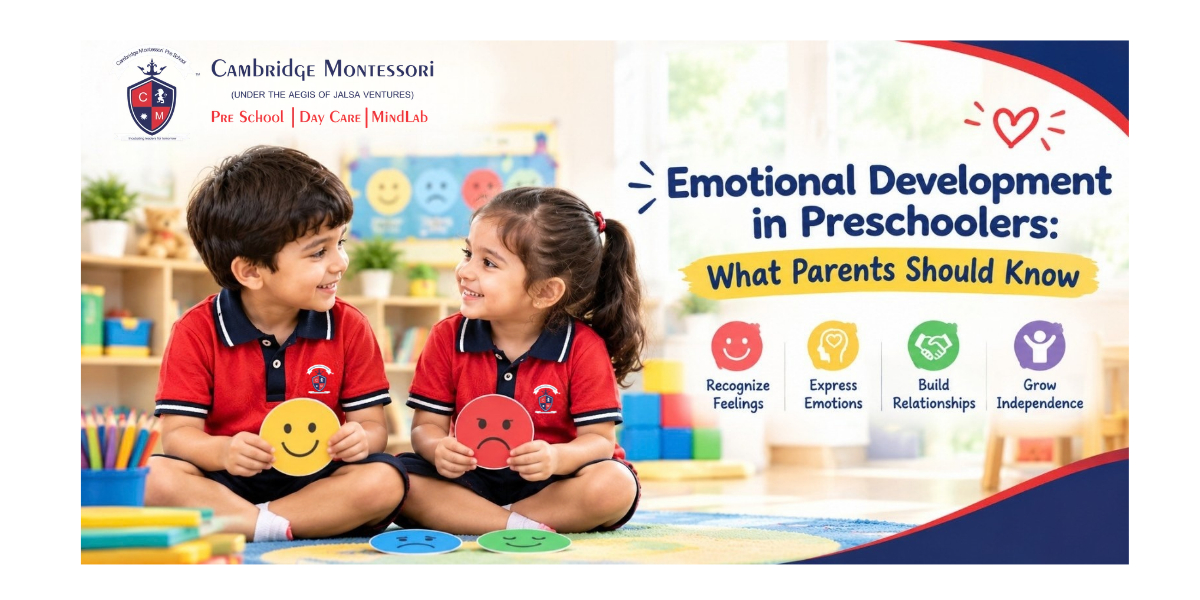
Emotional Development in Preschoolers: What Parents Should Know involves recognizing their feelings, expressing needs to parents, friends and educators, tolerating disappointment, and beginning to regulate behaviour with adult support. Children displaying strong emotions should not be seen as having a bad character; instead, it indicates that they require support and an understanding of their emotions. Preschoolers are learning to regulate their emotional expressions, and parents should maintain an understanding and supportive approach when children are tired, hungry or overwhelmed.
Name Feelings and Situations
Name the feeling and the reasons behind a particular emotional state directly: “you are disappointed because you do not like your lunch”. Naming the behavior helps the child relate with body sensations, events and words and helps them to be more aware. Set clear boundaries and limits – it is fine to feel angry but not okay to hit someone.
Co-regulate Before Expecting Self-regulation
Children find it supportive if adults display a calm demeanor and present themselves as emotionally safe for the child. The child should be emotionally regulated before he can be taught. According to the Nurturing Care Framework, responsive caregiving and security are foundations of early development [1].
Practice When Everyone is Calm
Use interactive methods such as stories, puppets and role play to practice waiting, asking for help, breathing slowly or choosing a quiet area. Adults should apologise if they lose patience.
Seeking Support
Support should be sought when there is intense and persistent distress linked to loss of skills, if home or preschool life is disturbed or it is the result of a frightening event.
READ MORE : Cognitive Development Activities for Preschoolers Simple Ways to Support Learning
FAQ’s
Q: Is it normal for preschoolers to feel angry?
A: Yes. Anger is a normal emotion, but children need help expressing it safely.
Q: How can I help my child express feelings?
A: Use simple words to name emotions and encourage your child to talk about them.
Q: Can stories help emotional development?
A: Yes. Stories and role play help children understand and express different feelings.
Q: What should I do during a tantrum?
A: Stay calm, acknowledge the feeling and maintain clear limits.
Q: Should parents comfort a crying child?
A: Yes. Offer comfort while helping the child understand and express the emotion.
Q: Can preschool routines help children manage emotions?
A: Yes. Consistent routines can make children feel secure and prepared.
Q: How can children learn self-regulation?
A: Simple activities like slow breathing, waiting and taking quiet time can help.
Q: Does the preschool environment affect emotional development?
A: Yes. A supportive environment can encourage children to communicate, cooperate and manage emotions.
References
Health note: This article provides general educational information and does not replace advice from a paediatrician or another qualified professional.