How to Develop Problem Solving Skills in Young Children Through Play
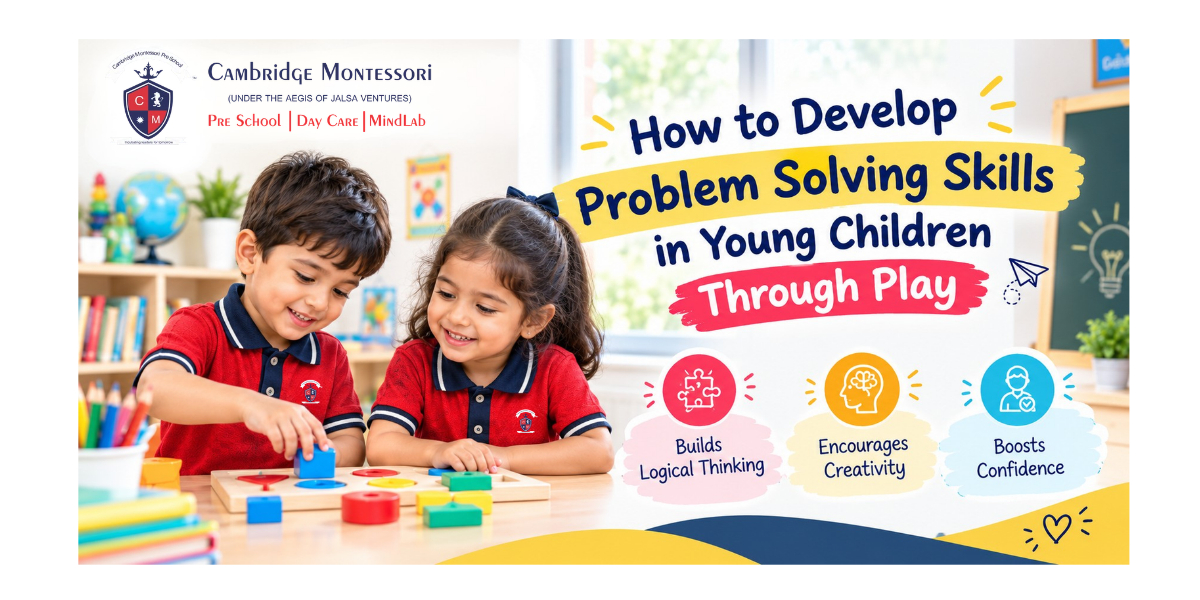
Preschool age is an appropriate time to help children develop problem-solving skills. How to Develop Problem Solving Skills in Young Children Through Play is an important part of early learning, as these skills are best cultivated through patience and practice. Props such as puzzles, everyday tasks and block construction let children practise critical thinking and problem-solving. Adults should let children persevere despite challenges rather than rescuing them, while supporting their development by asking useful questions.
Use Construction and Open-ended Materials
Offer children materials such as blocks, cardboard, tape, cups, cloth and recycled objects. Set a simple challenge for children such as building a toy bridge or making a shade for a plant. There can be many successful solutions.
Ask Questions that Make Them Think Forward
Complement your child’s thinking by asking questions that make them exercise their critical thinking skills. Ask questions such as: What else could you use? Which part keeps falling? What will you try first? These support exploration, imagination and problem-solving [1].
Turn Daily Life into Practice
Convert daily life chores into interactive problem-solving activities. Let your child cut fruit pieces, fit items into a bag, reach a safe shelf using a stool or organise their toys. Similar activities can also be encouraged in a preschool environment, where children can practise practical skills through guided tasks. Discuss safety limitations before letting your child act.
READ MORE : Emotional Development in Preschoolers What Parents Should Know
FAQ’s
Q1: Can everyday tasks build problem-solving skills?
Ans: Yes. Simple tasks like organising toys or packing a bag can build these skills.
Q2: Should children solve problems independently?
Ans: Give them time to try, while offering help when needed.
Q3: How does pretend play support problem-solving?
Ans: It encourages children to think creatively and find different solutions.
Q4: Are blocks useful for problem-solving?
Ans: Yes. Building with blocks encourages planning, testing and adjusting.
Q5: How can parents encourage problem-solving?
Ans: Ask simple questions instead of immediately giving the answer.
Q6: Is frustration normal during problem-solving?
Ans: Yes. Small challenges can help children practise patience and persistence.
Q7: Can preschool support problem-solving skills?
Ans: Yes. A supportive preschool environment can provide hands-on activities and guided challenges.
Q8: Should adults solve problems for children?
Ans: No. Give children opportunities to try before stepping in with support.
References
Health note: This article provides general educational information and does not replace advice from a paediatrician or another qualified professional.