Why a Safe and Hygienic Preschool Environment Matters for Young Children
Introduction
Preschool years are a very important period in a child’s life, when they achieve several developmental milestones. By spending time away from home in a structured environment, they learn many new skills and become more independent. This is why Why a Safe and Hygienic Preschool Environment Matters for Young Children is an important consideration for parents. A preschool should provide an environment where children can explore, play, learn and develop their skills without unnecessary health or safety risks. A secure and hygienic preschool supports the holistic development of children while helping them build healthy habits, confidence and social skills.
Checking Against Illness
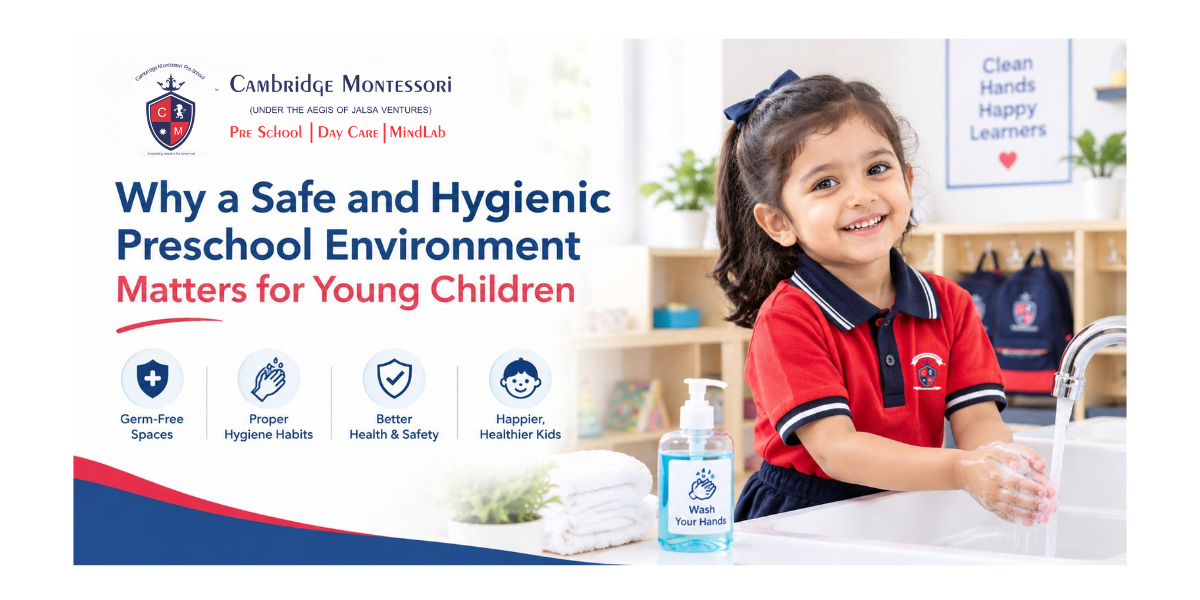
In a preschool, children often play together with other children in groups. This is the age where they are also learning hygiene habits such as washing their hands and covering their coughs. It becomes important that all areas that students touch such as classrooms, toilets and play areas are frequently disinfected to prevent germs from spreading. It is also important that clean drinking water is provided and hygienic food is prepared. Sanitation facilities should be well maintained. Preschools can teach students habits that they can emulate at home too.
Safeguarding Against Accidents and Injuries
It is important that preschools ensure the safety of students in their environment. Young children, due to their high energy and movements, often sustain injuries at home and school. Preschool spaces therefore should have secure doors and gates, and child-friendly furniture. Safe electrical arrangements, non-slip floors and child-friendly play equipment can go a long way in ensuring safety of children. Staff should also be trained for performing emergency procedures and treat common situations such as minor injuries.
Providing Emotional Security
Along with physical safety, children also need to feel emotionally secure. Clean and orderly classrooms provide children with a sense of comfort and help them adjust to the preschool. Caring teachers and consistent routines enable students to learn predictably. When they feel comfortable, they can fully participate in activities, communicate with adults and make friends.
Promoting Healthy Habits
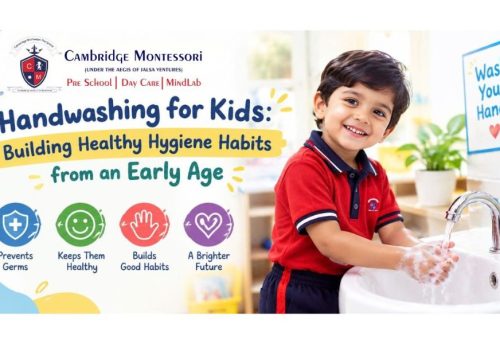
Preschool is the age when healthy habits can be formed. Teachers can encourage good habits by making good hygiene ingrained in the daily routines of children. Habits can be formed through the use of songs, stories and games. Children should be encouraged to consistently follow then to develop a good daily routine. Basic habits such as washing hands before and after eating and after using the toilet, keeping personal belongings organized and using tissues can be promoted by teachers and parents.
What Parents Should Look For
When evaluating a preschool, parents should look past attractive classrooms and activities, and enquire whether their preschool is kept clean and maintained. Toilets and handwashing areas should be child friendly, drinking water should be safe and play equipment should be clean. Enquiry should be made about staff supervision, illness policies, first aid arrangements, emergency procedure and good hygiene. A preschool which has these provisions in place gives good thought to the safety and wellbeing of students.
Conclusion
A safe and hygienic preschool environment provides students the safety they require to learn, play and develop into individuals. Health risks and injuries are avoided when schools maintain a child-friendly environment with consistent routines and robust safety arrangements. Preschools can help your child develop good habits that stick with them as they grow old.
READ MORE : What Should Parents Look for in a Preschool Daily Routine