What Makes a Child Friendly Preschool Environment: A Parent’s Guide
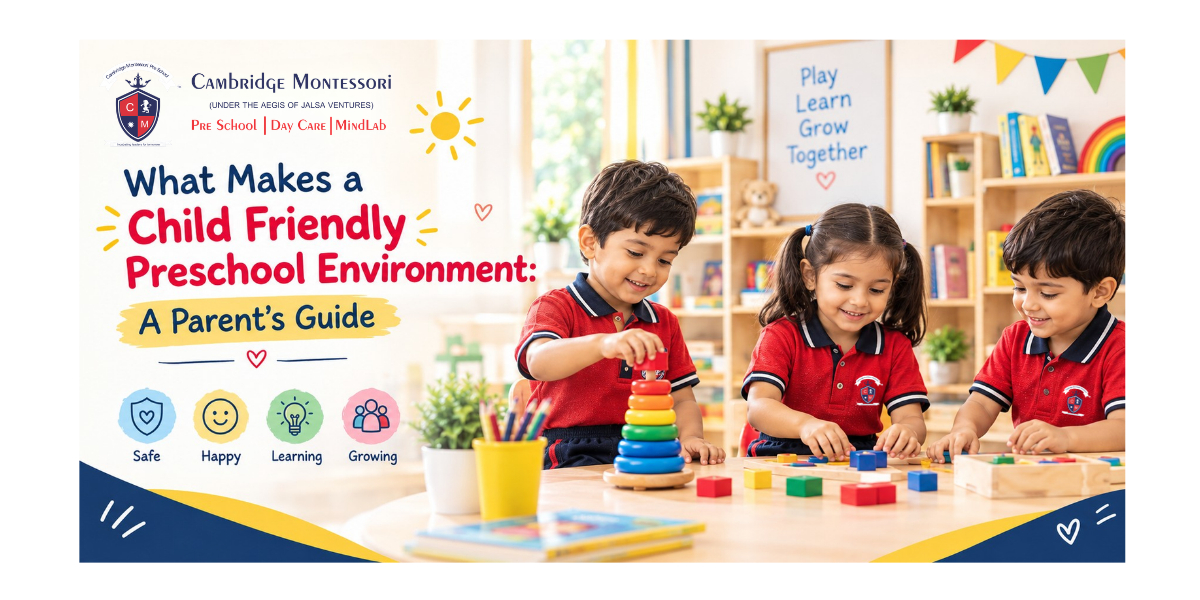
A preschool’s choice is an important decision that parents make. A good preschool should provide a safe, welcoming and nurturing environment to their students, where they can explore, learn and build relationships. What Makes a Child Friendly Preschool Environment: A Parent’s Guide covers the features that parents should consider when evaluating a preschool.
1. A Safe and Secure Environment
A preschool should never compromise on safety. The entrance should be secure, the furniture should be child-safe and there should be appropriate adult supervision. The school should provide a hygienic environment with clean toilets and sanitation.
2. Warm and Caring Teachers
Children develop in the best way when they feel emotionally secure. Teachers should exercise patience and be responsive to the young children’s individual needs. Parents should observe how teachers speak to children and whether they encourage them to ask question. It is important that the school nurtures positive teacher-child relationships.
3. Learning Through Play
Most educators recognize that play is important for young children to learn. Classrooms should have age-appropriate books, puzzles, blocks and opportunities for music and movement. Children should be taught through activities that encourage curiosity, creativity, problem-solving and communication instead of only worksheets and memorization.
4. Opportunities for Movement and Outdoor Play
Children require outdoor activities which make them move, run, climb and explore. A good preschool should provide a safe outdoor and indoor physical activity area along with age-based equipment. Daily physical activity leads to good physical development and also helps children improve their coordination, confidence and social skills.
5. Inclusive and Child-Centred Practices
Children grow at different paces. A good preschool respects differences in personality, interests, abilities and learning styles. Activities should be flexible and be conducted in an inclusive environment.
6. Strong Communication with Parents
Parents should be informed about their child’s learning experiences and wellbeing while at school. Regular meetings, updates, feedback and parent-teacher communication form the backbone of a strong partnership between parents and teachers and support children’s development. Parents can also explore Our Centres to learn more about the learning environment and experiences offered to children.
7. A Positive, Welcoming Atmosphere
It is important to notice how cheerful the classrooms feel and whether the children appear happy. A child-centric preschool creates a warm and welcoming environment where children are encouraged to ask questions, make friends, explore their interests and enjoy meaningful learning experiences.
Conclusion
Preschools make children feel safe, respected, happy and excited to learn. Cambridge Montessori Preschool and Daycare also provides a nurturing, happy and safe environment to children to let them grow into confident and promising individuals.
READ MORE :Why a Safe and Hygienic Preschool Environment Matters for Young Children
Frequently Asked Questions
Q1: Do vibrant and colourful interiors mean a better preschool?
Ans: Not necessarily. Excessive colours, decorations or visual clutter can distract some children. A good preschool environment should be cheerful, organised and comfortable for young learners.
Q2: Should all children perform the same activity?
Ans: A good environment should support different interests, abilities and levels of participation. Activities can be adapted to suit children’s individual learning needs and developmental stages.
Q3: Does space matter more than teaching?
Ans: Both matter. A well-designed space supports learning but caring and responsive teachers play an equally important role in helping children feel secure, engaged and supported.
Q4: What makes a preschool environment safe for children?
Ans: A safe preschool should have secure entrances, child-friendly furniture, appropriate supervision, clean facilities and proper hygiene practices. Safety should be considered throughout the learning environment.
Q5: Why are caring teachers important in a preschool?
Ans: Young children learn better when they feel emotionally secure. Patient and responsive teachers help children build confidence, communicate their needs and develop positive relationships.
Q6: Why is play-based learning important in preschool?
Ans: Play allows children to explore ideas, develop creativity and practise problem-solving and communication skills. Books, puzzles, blocks, music and movement can make learning more engaging.
Q7: Should a preschool provide outdoor play opportunities?
Ans: Yes. Regular movement and outdoor play help children develop coordination, physical confidence and social skills. A good preschool should provide safe opportunities for age-appropriate physical activity.
Q8: What does an inclusive preschool environment mean?
Ans: An inclusive preschool respects differences in children’s personalities, interests, abilities and learning styles. It provides flexible activities and encourages every child to participate at a comfortable pace.
Q9: How important is communication between parents and teachers?
Ans: Strong parent-teacher communication helps parents understand their child’s learning experiences, progress and wellbeing. Regular updates, meetings and feedback can create a stronger partnership between home and school.
Q10: How can parents identify a welcoming preschool atmosphere?
Ans: Parents can observe whether classrooms feel calm and cheerful, whether children appear comfortable and engaged, and how teachers interact with them. A welcoming environment should make children feel safe, respected and encouraged to explore