Advantages of Play for Growing Children
Play is often perceived as secondary and not-so-important activity for children, which is often reserved for leisure. However, according to research, play is an essential activity which serves many learning motives for young children.
Play Is Important
According to the United Nations, play is a right of children and an essential component of early childhood development. A clinical report by the American Academy of Paediatrics, play promotes health and wellbeing, and develops a child’s cognitive, physical, social and emotional wellbeing (Yogman et al., 2018).
Play therefore is not an activity reserved for leisure, but an essential activity for a child’s holistic development.
The Key Benefits of Play
According to scientific research, play provides many benefits for a young child that also influence academic learning.
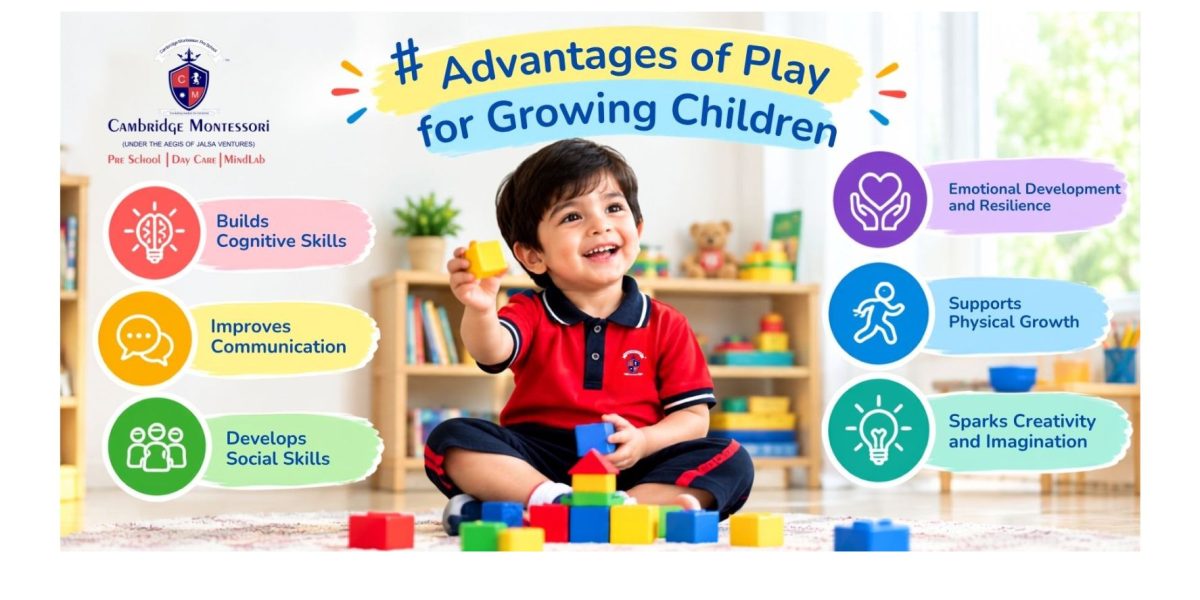
1. Cognitive Development and Problem-Solving
Play inherently involves problem-solving. Making a tower out of building blocks and mixing colours for a drawing involve problem solving skills and promote critical and creative thinking. These skills are essential in academic development.
2. Language Development
For young children, play involves teamwork and building interpersonal skills. These activities require children to practice their language skills and acquire new skills by learning to negotiate and work collaboratively with other children.
3. Social Skills
By playing with others in a teamwork, children’s soft skills are enhanced. For young children, playing enables them to learn and build games with others, which improves their social skills. Children learn to understand complex language and social cues, which prepares them for successful learning in an academic environment.
4. Emotional Development and Resilience
By playing, children develop mastery over own selves and learn to regulate their emotional wellbeing while functioning in a collaborative environment. By learning to solve puzzles and games, they build resilience and perseverance as they continue to overcome the obstacles that are part of the games and puzzles. They learn to process emotions such as anger, frustration, delay and develop their self-confidence with every achievement.
5. Physical Development
Play and sports support a child’s physical body by encouraging the development of their gross motor skills through activities such as running and jumping, and fine motor skills, through building and drawing. Outdoor play connects them with the environment and also develop these advantages.
6. Creativity and Imagination
Play refines a child’s imagination and lets him invent, experiment and express himself. These skills are very important for their future development.
Why “Learning Through Play” Benefits a Child
Many parents are inclined to let their child’s academic development take precedence over play. However, it is not wise to swap the two because according to research, play forms the background for all future academic learning for a child. Play builds the skills that are required to gain from formal academic learning, such as language and social skills. Children may even grow averse to formal learning if they are not allowed to learn through play. According to research, guided play is even more effective in teaching academics to a young child than direct teaching instruction (IES). Play is certainly not opposed to learning for children.
What Happens Without Enough Play
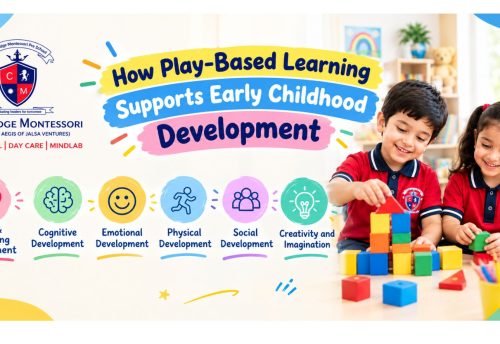
Several crucial skills and personal expression can be aversely affected if children do not play enough during their early years. Social skills, emotional regulation and even physical health can be negatively impacted. This is why play is crucial during young years and indispensable. It is not in opposition to formal learning but rather supports it. (See How Play-Based Learning Supports Development
The Key Takeaway
Play forms the foundation for several developmental aspects of a child. It promotes their cognitive development, language and critical thinking skills as well as their physical agility. It is also a joyful experience for children. Play during your child’s early childhood ensures that your child develops the psychological and social skills that enables early learning in a more formal educational space.
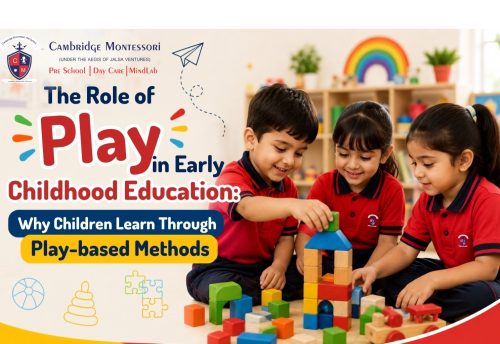
For the complete picture, see our guide: The Role of Play in Early Childhood Education
FAQ’s ( frequently Asked Question )
Q1: Why is play important for child development?
Ans: Play supports cognitive, language, social, emotional, and physical development. It allows children to explore ideas, solve problems, communicate with others, and learn through hands-on experiences.
Q2: What are the main benefits of play for children?
Ans: Play helps children develop problem-solving skills, creativity, communication, social awareness, emotional resilience, and physical coordination. It also encourages curiosity and independent thinking.
Q3: How does play improve cognitive development?
Ans: Play encourages children to think, experiment, make decisions, and find solutions. Activities such as puzzles, building, sorting, and pretend play strengthen reasoning and critical-thinking abilities.
Q4: How does play support language development?
Ans: Through conversations, storytelling, role-play, songs, and group activities, children learn new words and improve their ability to express ideas, listen, and communicate effectively.
Q5: Can play help children develop social skills?
Ans: Yes. Playing with peers teaches children how to share, cooperate, take turns, communicate, resolve disagreements, and understand different perspectives.
Q6: How does play support emotional development and resilience?
Ans: Play gives children opportunities to express feelings, handle challenges, make choices, and recover from small setbacks. These experiences can help build confidence and emotional resilience.
Q7: Does play contribute to physical development in children?
Ans: Active play helps develop balance, coordination, strength, movement, and motor skills. Activities such as running, climbing, dancing, and outdoor games encourage healthy physical development.
Q8: How does play encourage creativity and imagination?
Ans: Open-ended play allows children to create stories, explore different ideas, experiment with materials, and use their imagination without always following a fixed outcome.
Q9: Can too much focus on academic learning affect young children?
Ans: Young children benefit from a balanced approach where academic learning and play complement each other. Play provides opportunities to practise thinking, communication, social, and physical skills that support broader learning.
Q10: How can parents encourage meaningful play at home?
Ans: Parents can provide simple, age-appropriate materials such as books, puzzles, blocks, art supplies, and household objects. Allowing children time for independent and shared play can encourage exploration and learning.