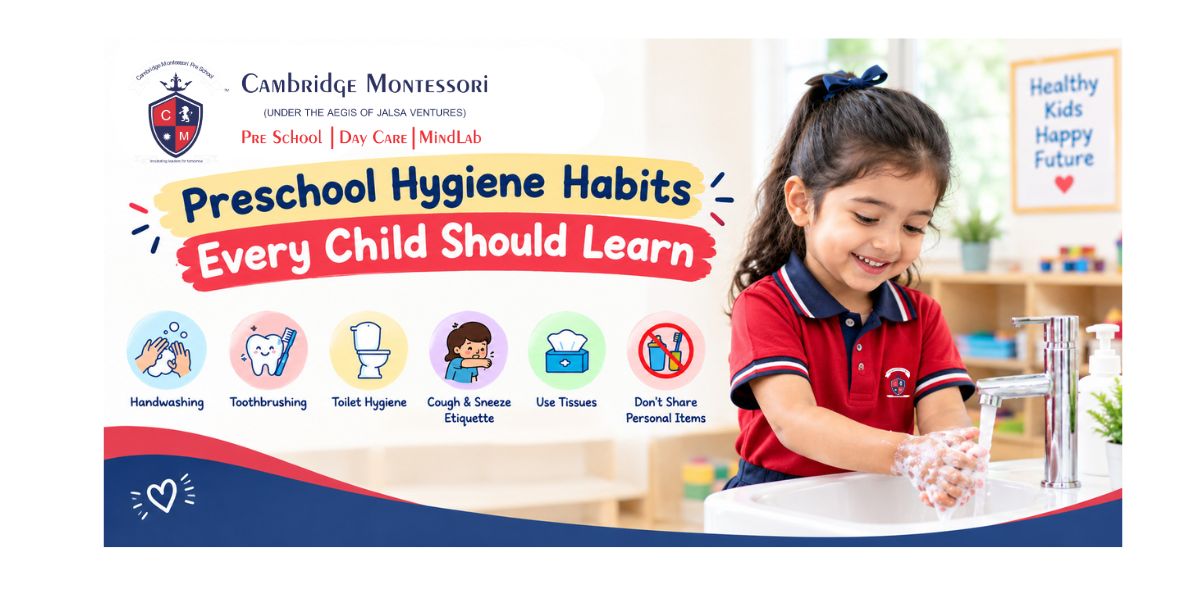
Preschool Hygiene Habits Every Child Should Learn
Preschoolers learn good hygiene habits through demonstration, repetition and followable routines. Preschool hygiene habits every child should learn include simple practices such as handwashing, toothbrushing, toilet hygiene and covering coughs and sneezes. Instead of instilling fear of germs among children, it is better to build healthy habits through simple explanations and patient reminders until these practices become part of their daily routines.
Core Hygiene Skills
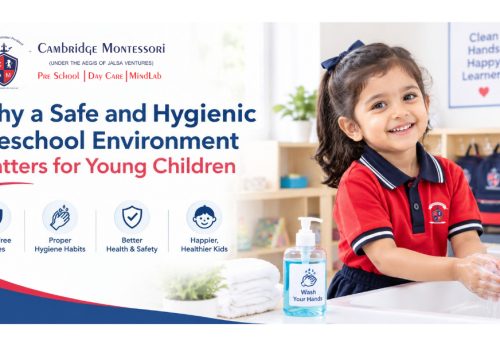
Skills such as handwashing, toothbrushing, toilet hygiene, covering coughs and sneezes, using tissue papers, keeping hands away from the face where possible and not sharing personal things such as toothbrushes and water bottles are core hygiene skills which are necessary for preschoolers to learn. According to UNICEF, hands should be routinely washed at times such as before eating food and after going to the toilet [1].
Demonstrate these routines to children in the same order. Pictures and posters can nudge young children who are still learning language and sequencing to follow these habits.
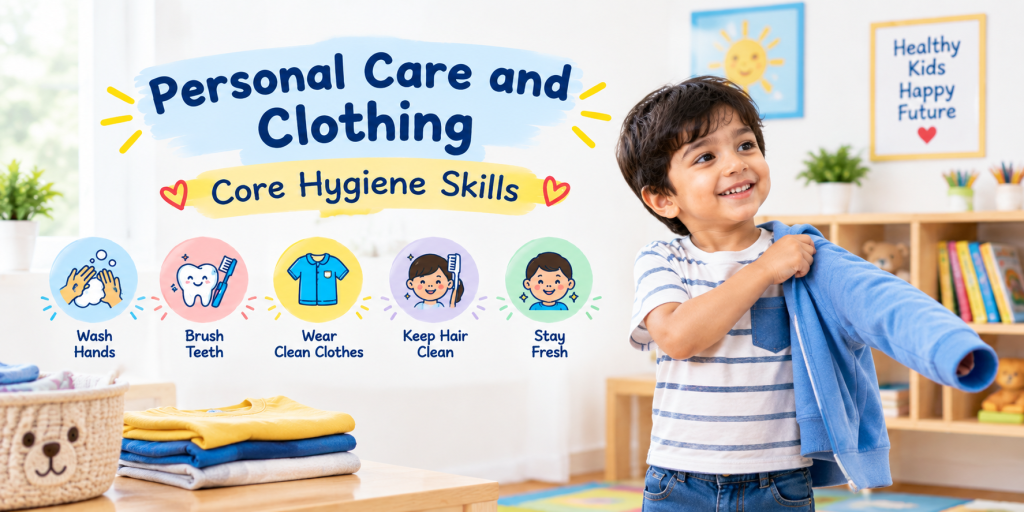
Personal Care and Clothing
Children can be taught to wipe their noses using tissues, dispose of them properly, and wash their hands afterwards. Parents can help them change damp or soiled clothing and place dirty items in a laundry bag. Teach them the importance of personal grooming, such as keeping their fingernails short and clean, without focusing on appearance. A clean and supportive environment at home and preschool can further help children develop these personal-care and hygiene habits with confidence.
READ MORE : Why Hydration Matters for Young Children Healthy Water Habits for Kids
Consistency is Key
Use the same words for routines at home and Preschool. Give your children access to step stools, easy taps and soap. Praise their specific actions as they follow the hygiene instructions.
FAQ’s
Q1: How often should young children wash their hands?
Ans: Children should wash their hands regularly, especially before eating, after using the toilet, after outdoor play, and after coughing, sneezing, or touching dirty surfaces.
Q2: Is soap and water better than hand sanitizer for children?
Ans: Yes. Soap and water are generally preferred when hands are visibly dirty. Hand sanitizer can be useful when soap and water are not available, with adult supervision.
Q3: Can young children use alcohol-based hand sanitizers?
Ans: Yes, when used correctly under adult supervision. Children should not swallow sanitizer, and adults should help younger children use the appropriate amount safely.
Q4: How can I teach my child proper handwashing?
Ans: Make handwashing a simple routine. Show your child how to wet their hands, apply soap, rub all surfaces thoroughly, rinse, and dry their hands.
Q5: What if my child does not like hand dryers?
Ans: You can offer paper towels instead and gradually help the child become comfortable with hand dryers if needed. The important thing is that their hands are dried properly.
Q6: Do children need to wash their hands after playing outside?
Ans: Yes. Outdoor play can expose children to dirt and germs, so washing their hands after playing outside is a useful hygiene habit.
Q7: Should children avoid touching their face?
Ans: Children can be gently encouraged to avoid touching their eyes, nose, and mouth with unwashed hands. Regular handwashing is more practical than expecting children never to touch their faces.
Q8: Does good hygiene mean disinfecting everything?
Ans: No. Good hygiene focuses on practical routines such as handwashing, personal cleanliness, safe food handling, and keeping commonly used surroundings reasonably clean.
Q9: How can parents make hygiene habits easier for young children?
Ans: Keep soap, towels, toothbrushes, and other personal-care items easy for children to access. Consistent routines, simple reminders, and positive encouragement can make hygiene habits easier to follow.
Q10: Should hygiene routines be taught at preschool?
Ans: Yes. Preschools can reinforce age-appropriate habits such as handwashing, covering coughs and sneezes, using tissues, and keeping personal items separate. Consistency between home and preschool can help children develop these routines.
References
Health note: This article provides general educational information and does not replace advice from a paediatrician or another qualified professional.