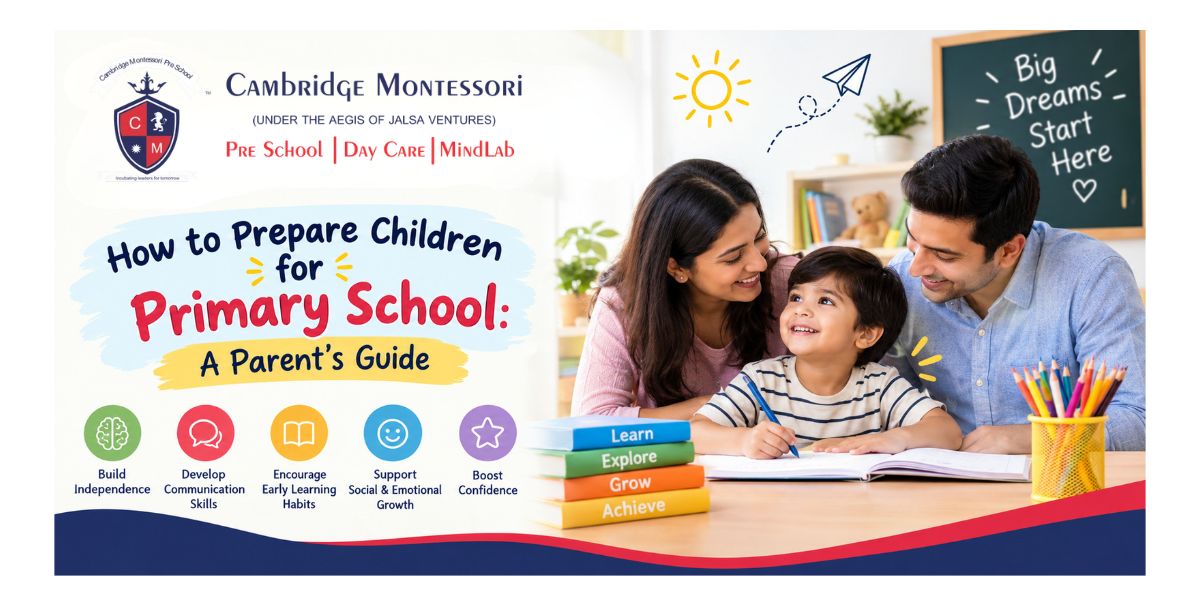
How to Prepare Children for Primary School: A Parent’s Guide
Preparing children for primary school is an important milestone in their early education journey. Moving from preschool to primary school introduces children to new routines, classroom expectations, learning experiences and social interactions. School readiness involves much more than recognising letters, counting numbers or writing simple words.
Children also need communication skills, confidence, independence and the ability to interact with others. A positive early learning experience helps them develop these abilities gradually and feel comfortable in a structured classroom environment.
Understanding how to prepare children for primary school allows parents to support their child’s development without creating unnecessary academic pressure. Everyday activities, consistent routines and a supportive preschool environment can help children approach this transition with curiosity and confidence.
How Can Parents Prepare Children for Primary School?
Preparing children for primary school starts with developing simple everyday habits and helping them become comfortable with structured activities. Parents can introduce these habits through enjoyable activities at home.
Here are some practical ways to prepare children:
- Establish a daily routine: Encourage consistent waking, mealtimes, playtime and bedtime. Familiar routines help children adjust to a school schedule.
- Develop listening skills: Read short stories, ask questions and encourage children to follow simple instructions.
- Encourage communication: Give children opportunities to express their needs, describe experiences and ask questions.
- Introduce basic concepts: Use picture books, counting games, puzzles, colours and shapes to make early learning enjoyable.
- Promote social interaction: Encourage playtime with other children to develop sharing, cooperation and turn-taking.
- Build confidence: Appreciate children’s efforts and allow them to complete simple tasks independently.
Parents should remember that preparation is gradual. The goal is not to teach children everything before primary school but to help them feel confident, comfortable and interested in learning.
Parents who understand the difference between preschool and primary school can better recognise how learning methods, classroom routines and expectations change as children progress to the next stage of education.
What Skills Should Children Develop Before Starting Primary School?
Primary school readiness includes academic, social, emotional and practical skills. Developing these abilities helps children participate in classroom activities and communicate comfortably with teachers and classmates.
Some important skills to encourage during the preschool years include:
Early Literacy and Numeracy
Children can gradually become familiar with letters, sounds, numbers, shapes and colours. Storytelling, rhymes, picture books and counting everyday objects introduce foundational concepts through play.
Communication and Language Skills
Children should get opportunities to express their thoughts, answer simple questions and communicate their needs. Regular conversations and storytelling help develop vocabulary and confidence.
Social and Emotional Development
Sharing, waiting for turns, interacting with classmates and understanding emotions are important parts of school readiness. Group activities and guided play can help children develop cooperation and patience.
Independence and Self-Care
Everyday tasks help children manage simple responsibilities. These may include:
- Eating meals with age-appropriate assistance.
- Keeping toys, books and belongings organised.
- Following basic hygiene habits.
- Wearing or removing simple clothing items with support.
- Asking for help when needed.
Attention and Problem-Solving
Puzzles, building blocks and matching games encourage children to concentrate, explore solutions and complete tasks.
Every child develops at a different pace. Parents should focus on their child’s progress instead of comparing their abilities with those of other children.
Developing communication and social skills during the preschool years helps children participate in classroom discussions, build friendships and interact comfortably with teachers and classmates.
Which Activities Can Parents Use at Home to Improve School Readiness?
A child’s preparation for primary school should continue beyond the classroom. Parents can develop curiosity, communication, confidence and independence through simple home activities.
Make Reading a Daily Habit
Read picture books together and ask children questions about the story. Encourage them to identify characters and describe pictures. This helps develop vocabulary, listening and early reading interest.
Introduce Play-Based Learning
Learning does not always require worksheets or textbooks. Parents can introduce basic concepts through everyday experiences, such as:
- Counting fruits while arranging groceries.
- Identifying colours and shapes around the house.
- Sorting toys according to size.
- Completing age-appropriate puzzles.
- Drawing pictures and describing them.
Encourage Everyday Responsibility
Give children small responsibilities such as putting away toys, arranging books and keeping their belongings organised. These activities help develop independence.
Practise Social Interaction
Encourage children to play with siblings, friends and other children. Group games help them practise sharing, taking turns and cooperating.
Talk Positively About Primary School
Explain that school is a place to make friends, explore new activities and learn interesting things. Positive conversations can make children more comfortable about the transition.
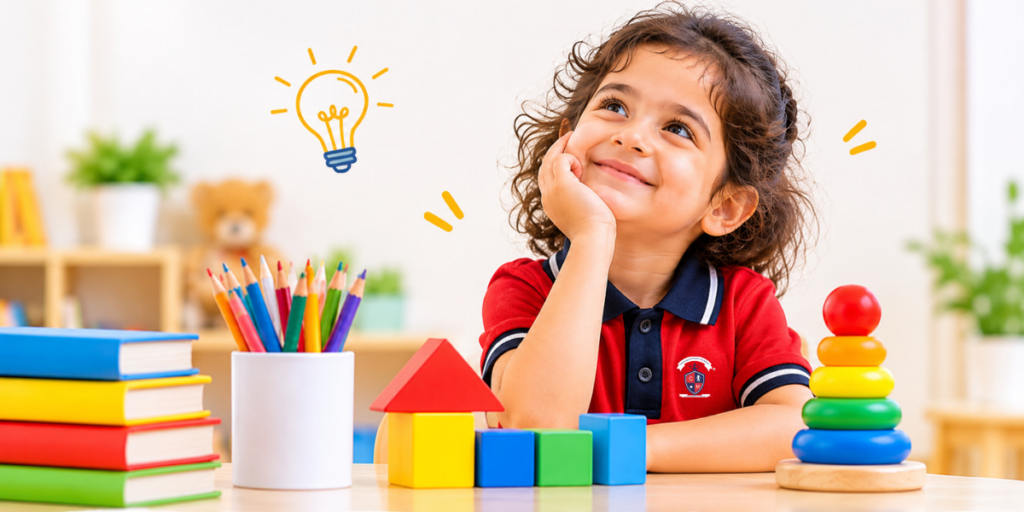
How to Choose the Best Preschool for Primary School Preparation?
Selecting the right preschool can make a meaningful difference in a child’s early learning experience. Parents searching for the Best Preschool in India or the Best Pre Primary School in India should consider how effectively the learning environment supports children’s overall development.
Before making a decision, consider these important factors:
- Age-appropriate learning: Activities should match children’s developmental stages and learning abilities.
- Qualified educators: Teachers should understand early childhood development and know how to engage young learners.
- Safe and supportive environment: Hygiene, supervision and child-friendly spaces should be important priorities.
- Balanced development: The programme should encourage communication, creativity, physical activity and social interaction.
- Individual attention: Children have different interests and learning speeds, so a supportive approach matters.
- Parent communication: Regular updates help parents understand their child’s progress.
Parents should also explore the school’s daily schedule, facilities, learning approach and admission process before enrolling their child. Visiting the preschool can help families understand its environment and make an informed decision.
Families exploring early childhood education options can also review our centres to understand available preschool locations and identify an option that suits their requirements.
How Does Cambridge Montessori Preschool Support Primary School Readiness?
Choosing the right preschool is an important part of preparing children for primary school. A good early learning environment should provide opportunities to explore, communicate, develop independence and build foundational skills.
Parents exploring Cambridge Montessori Preschool can learn about its preschool programmes, teaching approach and early learning opportunities to understand how they align with their child’s developmental needs.
A Montessori-oriented approach generally encourages children to learn through exploration, practical activities, observation and hands-on experiences. Important aspects include:
- Activity-based learning: Hands-on experiences introduce concepts through observation and participation.
- Independent learning: Age-appropriate activities encourage children to make choices and develop confidence.
- Communication and interaction: Storytelling and group activities support language and social development.
- Practical life experiences: Everyday activities help children practise coordination and independence.
- Holistic development: A balanced learning experience supports cognitive, physical, social and emotional growth.
Parents researching a Montessori School for Kids in India should understand how the preschool’s teaching practices, classroom environment and learning programme support these developmental areas.
Reviewing the curriculum can help parents understand how learning activities are organised and how foundational skills are introduced.
Conclusion:
Preparing children for primary school involves much more than teaching letters, numbers and academic concepts. Communication, independence, social interaction, emotional development and curiosity are equally important.
Parents can support this journey through everyday activities, positive encouragement and consistent routines. Choosing a preschool that supports overall development can also help children become comfortable with the transition.
With the right guidance and opportunities, children can begin their primary school journey with greater confidence, curiosity and enthusiasm.
Frequently Asked Questions ( FAQ’s )
Q1. How do I know if my child is ready for primary school?
Ans: A child may show readiness through communication, independence, social interaction, listening skills and interest in learning. Readiness develops differently for every child.
Q2. What should children learn before starting primary school?
Ans: Children can begin developing early literacy, numeracy, communication, problem-solving, social skills and basic self-care habits through age-appropriate activities.
Q3. How does preschool prepare children for primary school?
Ans: Preschool introduces children to routines, group activities, foundational concepts and social interactions, helping them adjust to a structured learning environment.
Q4. Is Montessori preschool education helpful for primary school readiness?
Ans: Montessori-oriented learning can support independence, exploration, practical skills and confidence through hands-on activities.
Q5. How can parents develop independence in preschool children?
Ans: Parents can encourage children to organise belongings, put away toys, follow simple routines and complete age-appropriate everyday tasks.
Q6. How do I choose the best preschool for primary school preparation?
Ans: Compare the teaching approach, educators, safety practices, learning activities, facilities and parent communication before making a decision.
Q7. Why do parents consider Cambridge Montessori Preschool for early learning?Ans: Parents can review its preschool programmes, teaching approach, available centres and admission information to understand whether they meet their child’s needs.
Q8. At what age should parents start preparing children for primary school?
Ans: Preparation can begin during the preschool years through play, communication, routines and age-appropriate learning experiences.