Healthy Snacks for Preschoolers: Easy and Nutritious Ideas for Home and School
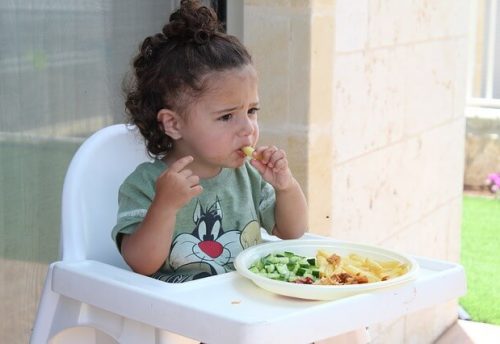
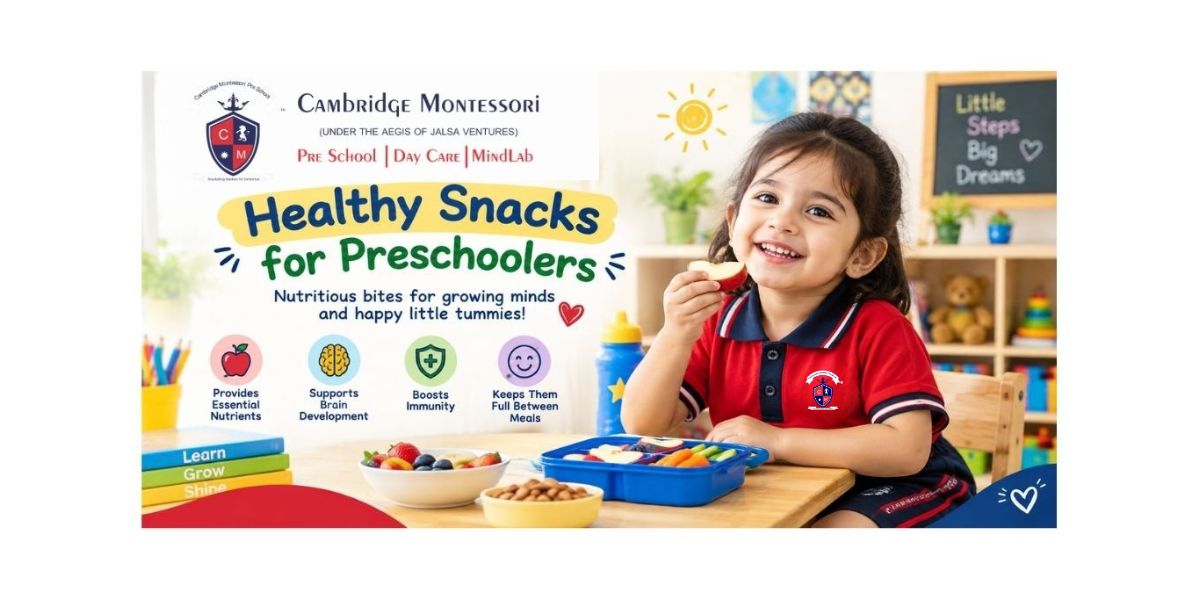
Healthy snacks for preschool keep children’s tummies full between meals while also providing useful nutrients. The simplest healthy snacks are fruits, vegetables and whole grain foods with a protein or dairy food. Snack portions should not be too big, easy to manage and be in accordance with a child’s chewing skills.
Definition of a Useful Snack
A healthy snack For Preschoolers should not replace meals but support diets. Carbohydrates and proteins can be paired together to make it more filling. Examples include fruit with plain curd, whole-grain toast with a thin spread of peanut butter, idli with sambar, roasted chana with fruit, cucumber with hummus, or a cup of sprouts.
WHO healthy-diet guidance recommends a variety of foods and advocates limiting free sugars, salt and unhealthy fats [1]. Packaged foods marketed for children can still include substantial amounts of sugar or sodium, so it is advised to check the ingredients rather than just depending upon the front label.
Ideas for Home and School
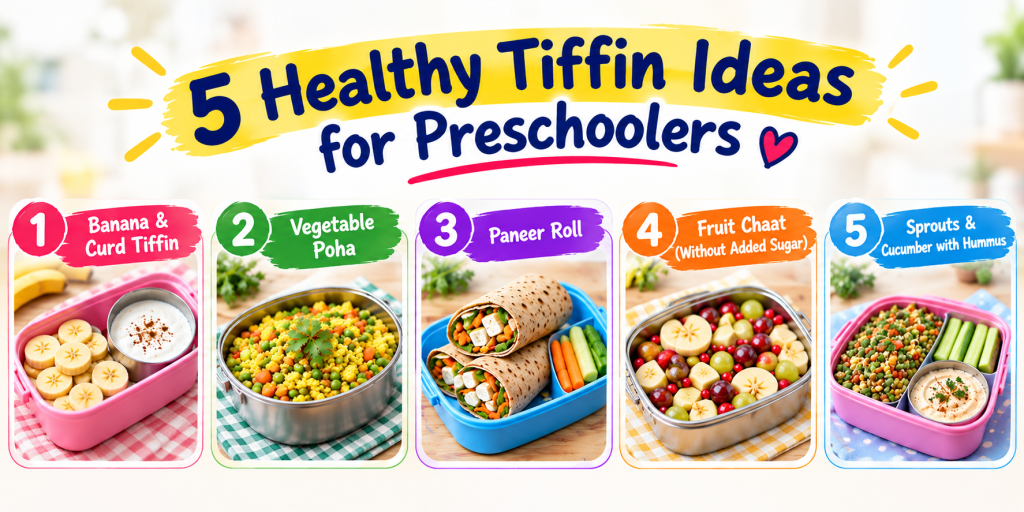
Snack options for home include banana and curd, vegetable poha, a small paneer roll, boiled egg with toast, fruit chaat without added sugar, or steamed corn for children who can chew it safely. For school, choose foods that do not get spilled or spoiled easily while travelling and follow the preschool’s allergy advice.
Keep perishable food cold in hot weather. Use a clean insulated lunch bag and discard food that has remained warm for too long. Encourage drinking water over other sugary drinks.
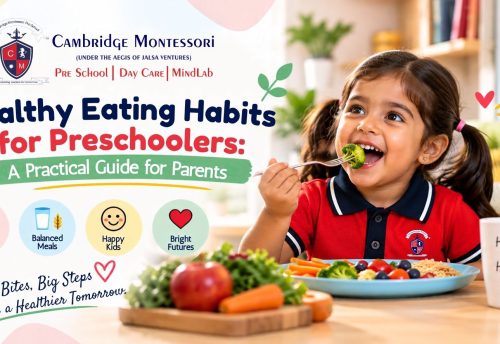
READ MORE: Healthy Eating Habits for Preschoolers: A Practical Guide for Parents
Choking and allergy safety
Cut small fruits and vegetables such as grapes and cherry tomatoes lengthwise into small pieces. Avoid whole nuts, hard popcorn, large raw-carrot pieces and spoonfuls of thick nut butter for young children. Let children sit while eating food and supervise them.
If the preschool does not allow bringing nuts, use other approved alternatives. Treat facial swelling, breathing difficulty, collapse or widespread hives after food as an emergency and follow local emergency guidance.
Frequently Asked Questions
Q1: How often should preschoolers snack?
Ans: Many preschoolers may need two or three planned snacks during the day, depending on their meal schedule, activity level and individual appetite. Snacks should ideally be spaced between regular meals.
Q2: What makes a healthy snack for preschoolers?
Ans: A healthy snack can combine nutritious foods such as fresh fruits, vegetables, whole grains, yoghurt, nuts or seeds where age-appropriate, and other minimally processed options.
Q3: Is fruit a good snack for preschool children?
Ans: Yes. Whole fruits can be a convenient snack and provide fibre, vitamins and other nutrients. Offering different seasonal fruits can also introduce children to a variety of tastes and textures.
Q4: Is juice a healthy snack drink?
Ans: Whole fruit is generally a better everyday choice because it provides fibre. Water and milk can also be suitable drink options, while fruit juice is better kept limited rather than used as the main daily drink.
Q5: Can I pack biscuits every day for my child?
Ans: It is better not to rely on biscuits as a daily snack. Biscuits can be offered occasionally, but regular snacks can include a wider variety of nutrient-rich foods.
Q6: How much food should I pack for a preschool snack?
Ans: Snack portions should be appropriate for the child’s age and appetite rather than being unnecessarily large. Small, manageable portions can allow children to eat comfortably without affecting their next main meal.
Q7: What are some easy snacks for a preschooler?
Ans: Simple options can include cut fruit, yoghurt, vegetable pieces, whole-grain foods, homemade snacks or other nutritious foods that are easy for the child to handle and eat safely.
Q8: Should preschoolers be allowed to choose their snacks?
Ans: Parents can offer children a choice between two or more nutritious options. This can encourage independence while allowing adults to guide the overall quality and variety of the child’s diet.
Q9: Should snacks be given whenever a child asks for food?
Ans: Planned snack times can help establish a predictable eating routine. However, children’s hunger and individual needs vary, so parents can consider appetite, activity and the timing of upcoming meals.
Q10: What should parents consider when packing snacks for preschool?
Ans: Parents should consider nutrition, portion size, freshness, convenience and food safety. Snacks should also be easy for the child to eat independently and should follow the preschool’s food and allergy guidelines.
References
Health note: This article provides general educational information and does not replace advice from a paediatrician or another qualified professional.